
When most people think of chandeliers, they picture grand country houses, stately homes or glittering ballrooms. While they certainly look at home in those settings, the humble chandelier has a much more interesting story than many people realise.
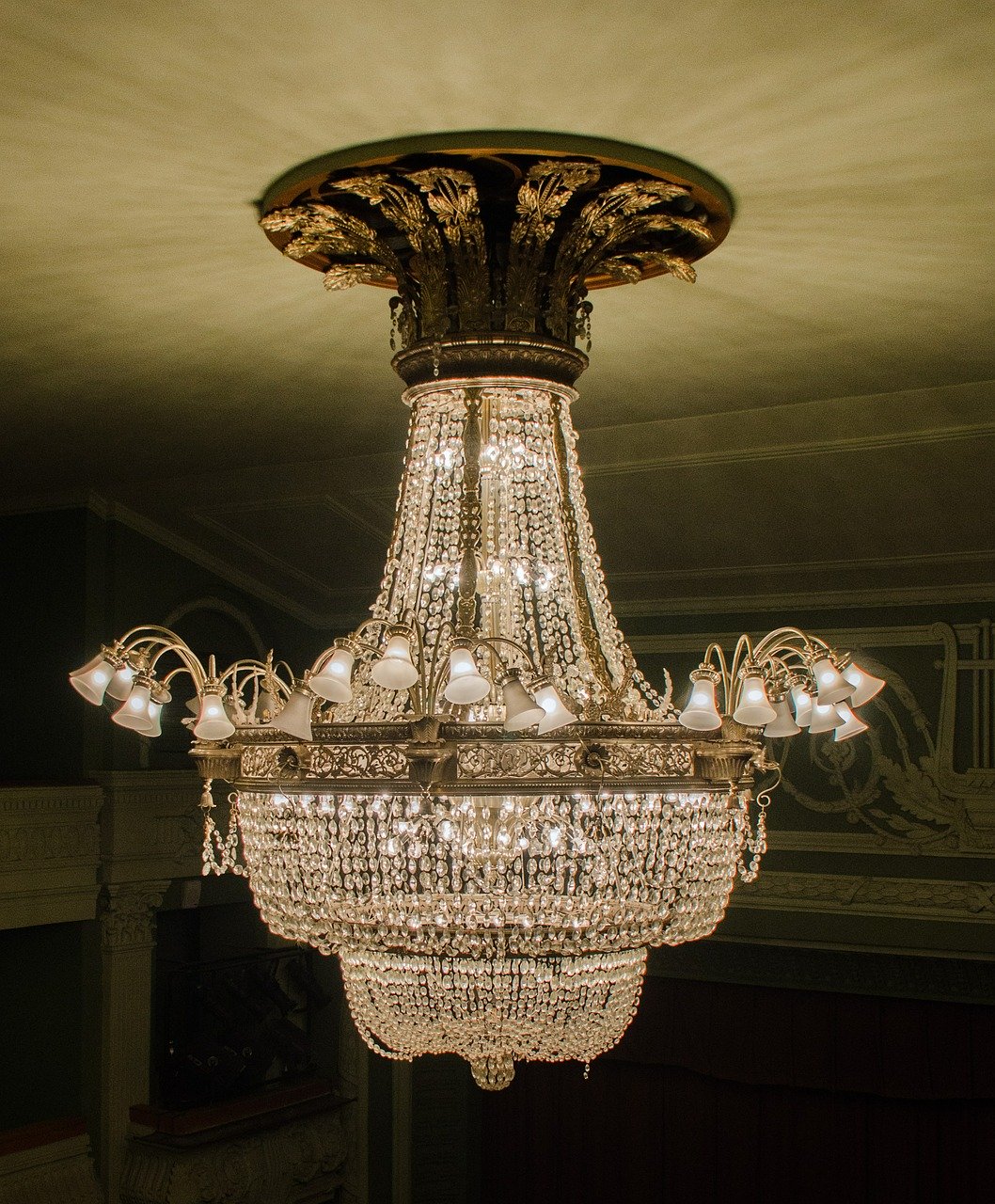
The word chandelier comes from the French word chandelle, meaning candle. Long before electricity, chandeliers were simply a practical way of bringing more light into large rooms. The earliest examples were little more than wooden or iron frames designed to hold candles, hanging from the ceilings of churches, castles and wealthy homes. They weren’t particularly decorative, but they did the job rather well.
As craftsmanship improved, so did chandeliers. By the 17th and 18th centuries they had become symbols of elegance and status, with brass, bronze, hand-cut glass and, eventually, crystal transforming them from simple light fittings into works of art. Every new design seemed to reflect a little more light than the last—and, if we’re being honest, probably showed off the owner’s wealth a little more too.
The Victorian era saw chandeliers become even more elaborate. Advances in glass cutting created the beautiful drops, prisms and waterfall designs that many people still associate with traditional chandeliers today. Then, when electricity arrived, chandeliers adapted once again. Candles gave way to light bulbs, but the elegance remained exactly the same.
One of the things I enjoy most about antique chandeliers is that no two are ever quite the same. Over the years I’ve come across everything from grand Victorian waterfall chandeliers to delicate Edwardian lustres, colourful Bohemian glass, French designs and unusual one-off pieces that simply refuse to fit neatly into any category. That’s part of the fun.
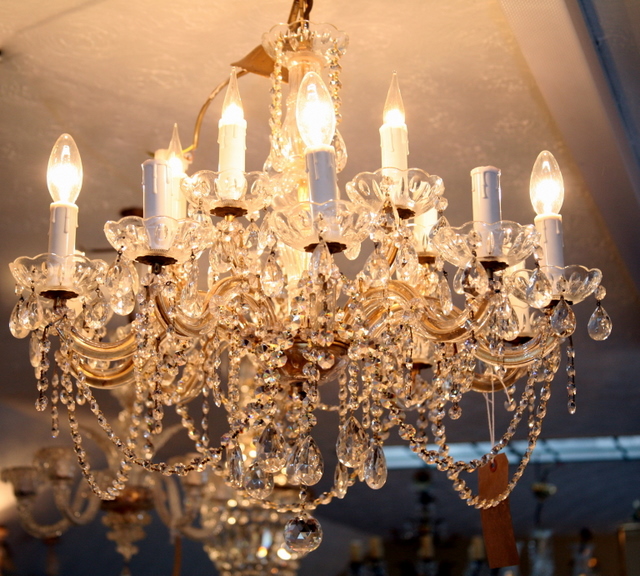
People often ask me why I prefer older chandeliers. The answer is quite simple really. I admire the craftsmanship. These pieces were made to last, often by hand, with a level of care and attention that’s difficult to find today. Many have already lived for a hundred years or more, and with the right restoration they’ll continue to be enjoyed for generations to come.
Of course, not every chandelier needs to hang in a ballroom. Some of my favourite pieces are the smaller ones, quietly transforming a hallway, dining room or cosy sitting room. I’ve always believed that the right chandelier isn’t necessarily the biggest one—it’s the one that feels as though it belongs.
If you’re looking for an antique or vintage chandelier, or you’d simply like some friendly advice, I’d be delighted to help. And if you happen to leave with a newfound appreciation for anything that sparkles… well, you’re in good company.